Card Payments for Rent, Management Fees, and Labor Costs: A Practical Guide for Korean Renters and Business Owners
Managing monthly expenses like rent, building management fees, and staff wages can put serious pressure on personal and business cash flow. Fortunately, card-based payment services now make it possible to handle these obligations using credit or debit cards, giving payers more flexibility over when cash actually leaves their accounts. This article breaks down how each of these payment categories works, who benefits most, and what to look for when choosing a service provider.
Why Paying Fixed Monthly Costs by Card Is Gaining Popularity
For years, rent and building fees in South Korea were almost exclusively paid by bank transfer. The landlord or management office would provide an account number, and tenants would wire funds on a set date each month. While straightforward, this system offers no flexibility. If cash is tight on the due date, there is no buffer. Card-based payment services solve this by acting as an intermediary: the service pays the recipient on time while the cardholder repays the service according to their card billing cycle. The gap between payment date and card statement date can be anywhere from a few days to over a month, which makes a meaningful difference for households and small businesses managing tight budgets.
Understanding the Three Main Payment Categories
Monthly Rent by Card
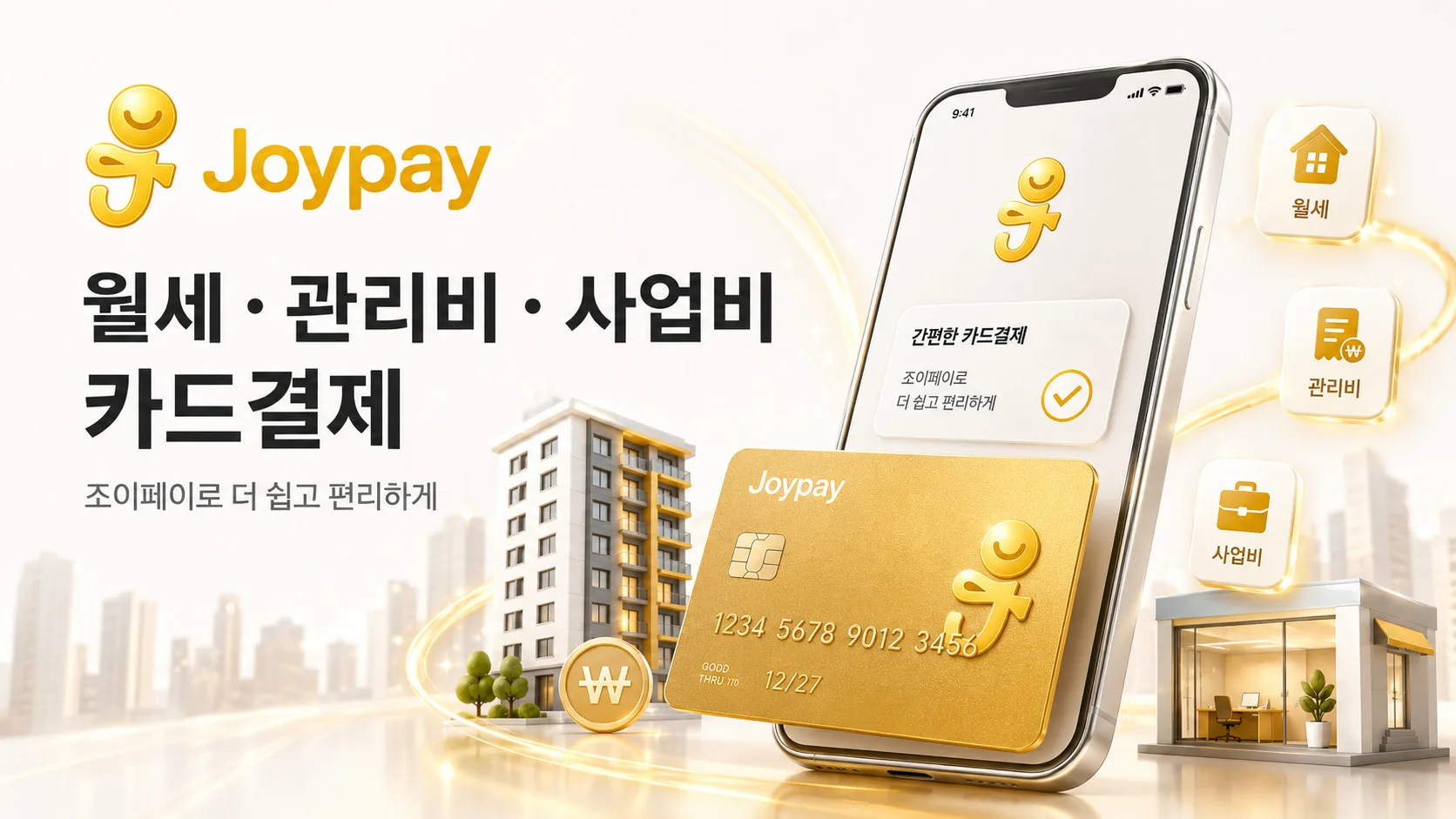
Paying monthly rent by card means a tenant no longer needs to have the full rent amount sitting in a bank account on the due date. A payment agency collects the rent on behalf of the landlord through a card transaction, then forwards the funds to the landlord’s account. Most landlords receive exactly what they expect, so there is little friction on their end. Tenants, meanwhile, gain the benefit of their card’s billing cycle and may also accumulate reward points or cashback depending on their card terms.
Building Management Fee Payments
Residents of apartments, officetels, and commercial buildings receive a management fee bill every month covering costs like cleaning, elevator maintenance, security, and utilities shared across the building. Traditionally these were paid by bank transfer or automatic debit. Now, 관리비카드결제 services allow residents to settle these bills using a credit or debit card, offering the same timing flexibility as rent card payments. This is especially useful for residents who prefer consolidating all monthly expenses onto a single card statement for easier tracking.
Labor and Service Costs by Card
For business operators, one of the most significant cash flow challenges is covering wages, part-time staff pay, and outsourced service fees. These obligations arrive on fixed dates regardless of whether revenue has come in. Labor cost card payment services allow a business to charge these expenses to a credit card, effectively deferring the cash outflow until the card’s billing date. This breathing room can be critical for small businesses navigating slow seasons or delayed receivables.
Key Benefits at a Glance
- Improved cash flow management by aligning payment timing with card billing cycles
- Potential to earn card reward points or cashback on otherwise non-rewarded fixed expenses
- Simplified expense tracking when multiple costs appear on a single monthly card statement
- Reduced risk of missed payments since the agency handles disbursement to the recipient on time
Comparing the Three Payment Types Side by Side
| Payment Type | Who Uses It | Primary Benefit | Typical Frequency |
|---|---|---|---|
| Monthly Rent | Residential and commercial tenants | Defers cash outflow by billing cycle | Monthly |
| Management Fee | Apartment and officetel residents | Consolidates bills onto one card statement | Monthly |
| Labor and Service Costs | Small and medium business operators | Bridges gap between revenue and payroll | Monthly or per project |
Things to Check Before Using a Card Payment Agency
Not all card payment intermediary services operate the same way. Before signing up, it is worth confirming a few practical details. First, check whether the service fee is charged to the payer, the recipient, or split between both parties. Second, verify which card networks and issuers are accepted, since some services have restrictions. Third, understand the processing timeline so you know exactly when the recipient receives funds and when the charge appears on your card statement.
Who Should Consider These Services
These card payment solutions are well suited to a wide range of users. Freelancers and sole proprietors who face irregular income cycles benefit from the timing flexibility. Tenants who want to earn card rewards on their largest monthly expense find real value here. Small business owners who need to meet payroll without drawing down their operating account can use labor cost card payments as a short-term bridge tool. Even property managers and building administrators may find it useful to offer card payment options to increase on-time collection rates from residents.
Closing Thoughts
Card-based payment services for rent, management fees, and labor costs represent a practical evolution in how individuals and businesses handle recurring financial obligations in South Korea. By introducing the flexibility of a credit card billing cycle into categories that were previously cash-only, these services give payers meaningful control over their monthly cash flow without disrupting the experience for recipients. If you are regularly stretching to cover fixed costs at the end of each month, exploring a reputable card payment agency could be a straightforward step toward steadier financial management.